Silage Covers: Sustainable Disposal Options for Aussie Farmers
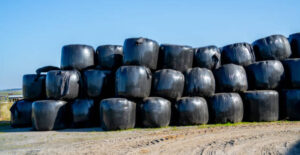
In Australia’s agricultural landscape, silage covers play a vital role in preserving feed quality and protecting valuable resources. However, once these covers reach the end of their useful life, their disposal becomes a critical environmental challenge. With growing awareness around sustainability and waste management, Australian farmers are seeking innovative and eco-friendly ways to recycle used silage covers. This article examines practical and sustainable disposal options that enable farmers to reduce their environmental footprint while maintaining efficient farm operations.
The Importance of Recycling Silage Covers in Australia
Silage covers, typically made from polyethylene plastics, are designed for durability to withstand harsh weather and UV exposure. Despite their robustness, these covers degrade over time and accumulate as waste on farms across Australia. Improper disposal, such as burning or landfill dumping, contributes to pollution and environmental harm, making sustainable recycling solutions essential.
Australia produces thousands of tonnes of silage cover waste annually, particularly in high-production regions such as Victoria, New South Wales, and Queensland. Recycling used silage covers not only mitigates waste but also supports the circular economy by transforming old plastics into new products, reducing the demand for virgin materials.
Challenges in Recycling Used Silage Covers
Recycling silage covers is complicated due to contamination with soil, silage residue, and varying types of plastic. The cleaning and processing of these materials require specialised facilities, which are not yet widespread across rural Australia. Additionally, the bulky size and irregular shapes of silage covers make transportation and collection logistically challenging and costly.
Farmers often lack convenient access to recycling programs designed explicitly for agricultural plastics, leading many to opt for landfilling or incineration. Overcoming these barriers requires coordinated efforts between farmers, waste management providers, and government bodies to develop practical recycling infrastructures.
Current Recycling Programs Available to Australian Farmers
Recognising the issue, several Australian states have launched initiatives focused on agricultural plastic recycling, including silage covers.
- AgRecycle: Operating in Victoria and parts of New South Wales, AgRecycle offers farmers collection points for used silage covers and other ag plastics. The collected materials are then processed into recycled products, such as garden edging and outdoor furniture.
- Recycling Agricultural Plastics Program (RAPP): Supported by government grants, RAPP facilitates regional collection events and raises awareness about proper disposal methods.
- Local Council Programs: Some rural councils have established drop-off sites for silage cover recycling, often partnering with private companies to manage the collected waste.
Farmers are encouraged to contact their local agricultural extension offices or waste management authorities to learn about available programs in their area.
Practical Steps for Farmers to Recycle Silage Covers
Farmers can take proactive steps to ensure their silage covers are recycled effectively:
- Clean Thoroughly: Removing silage residue and soil reduces contamination, improving the quality of recyclable material and lowering processing costs.
- Cut into Manageable Pieces: Breaking covers into smaller, uniform pieces makes collection and transportation easier.
- Use Designated Collection Points: Participating in established recycling programs ensures that covers are diverted from landfills to recycling streams.
- Engage with Suppliers: Some silage cover suppliers offer take-back schemes or partner with recyclers to facilitate sustainable disposal.
By adopting these practices, farmers contribute to reducing plastic waste and promote a sustainable agricultural sector.
Innovations in Sustainable Silage Cover Alternatives
While recycling remains crucial, the industry is also moving toward eco-friendly alternatives. Innovations such as biodegradable silage covers and covers made from recycled plastics are emerging in the Australian market. These products aim to reduce environmental impact by either breaking down naturally or incorporating recycled materials into new covers, closing the sustainability loop.
Farmers interested in these options should evaluate their suitability for Australian climatic conditions and cost-effectiveness. Trial programs and government incentives may help ease the transition to greener silage cover solutions.
The Role of Policy and Community Collaboration
Sustainable silage cover disposal requires strong collaboration between farmers, industry stakeholders, and government agencies. Policies that support recycling infrastructure development, provide subsidies, and enforce responsible waste management can accelerate progress.
Community education campaigns and farmer networks also play a crucial role in raising awareness about the benefits of recycling and sharing best practices. By fostering a culture of environmental stewardship, Australia’s farming communities can lead the way in sustainable agricultural practices.
Conclusion: A Sustainable Future for Silage Cover Management
For Australian farmers, managing used silage covers sustainably is more than an environmental obligation—it’s an opportunity to innovate and strengthen farm resilience. By embracing recycling programs, adopting sustainable disposal habits, and exploring eco-friendly alternatives, farmers can reduce waste and support Australia’s commitment to sustainability.
As recycling infrastructure expands and awareness grows, the path to responsible silage cover disposal becomes clearer. With professional and confident steps, Australian farmers can ensure their operations remain productive and environmentally conscious, securing a sustainable future for the agricultural industry.
If you’re an Australian farmer looking to recycle your used silage covers, start by checking local programs and engaging with your supplier. Together, we can make a significant impact on reducing agricultural plastic waste and protecting our land for generations to come.