Roof Access Hatches: Installation Services
Roof access hatches provide convenient, cost-saving access to the roofs of buildings, allowing ladders and stairs to access the top from the interior of the building. They are also designed for safety and ease of use.
However, when choosing a roof access hatch, there are several factors you need to consider. For professional roof access hatches installation services, click here.
Safety
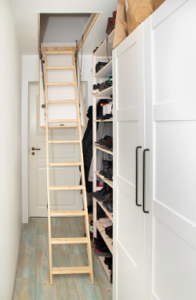 Roof hatches offer a safe alternative to climbing onto the roof of a building. They are strategically placed to provide easy access and can be combined with interior ladders or stairs to allow users to climb up and down easily. These hatches are made from a durable and weatherproof material like galvanised metal, ZINCALUME or COLORBOND.
They are also designed to meet safety specifications, including preventing unauthorised access by requiring a password to open the hatch. This feature ensures that only authorised personnel can enter the building and avoids unauthorised people entering the roof area.
In addition, the hatch is designed with engineered lift assistance to make it easier for workers to open and close. It prevents the hatch from slamming shut during maintenance work and can be customised for specific needs, such as a requirement for the opening to open in case of fire automatically or to remove hazardous gases. It is a vital safety feature to help minimise accidents and injuries for building workers.
Ease of Use
Roof access hatches are easy to use and help to make it safer for people who need to work on a building’s roof areas. They also ensure maintenance workers can exit quickly if they are in danger on the roof. They can also be locked to prevent unauthorised entry by burglars. Several locks can be used to secure the roof hatch, including prison deadlocks and key-cylinder locks.
Roof access hatches can be custom-designed to meet specific requirements. The choice of the type and installation will depend on the type of roof, building structure, and safety specifications. A height safety consultant can advise you on what is required. They can also help you determine whether guardrails will be needed. These are necessary to comply with Australian height safety standards and regulations. The contractor will be able to supply, install and maintain a roof access door that meets these safety specifications.
Durability
Having the correct roof hatch type is essential, as it should be durable enough to stand up to repeated use and weathering. A hatch should also have an easily accessible way for people to enter it. It means that it should be easy for people to carry ladders or stairs through it and to remove them when they no longer need them. For professional roof access hatches installation services, click here.
Depending on the use of the roof hatch, there are many different types. These include sliding, hinged or non-hinged, fire-rated and insulated. Some are even motor-operated.
Safety guidelines for rooftop openings require that they have guardrails around them to prevent falls. These should be placed a minimum of 10 feet away from the edge of the rooftop. It is to avoid any accidents caused by misstepping as people exit the hatch.
Maintenance
A roof access hatch makes it easier and safer for maintenance workers to check or perform services on equipment or rooftop features. For instance, tasks that were previously an irritation (like cleaning gutters) become much easier to do without a ladder.
The type of building and its use will also influence the hatch design and materials used. For example, a hospital or an area that houses Magnetic Resonance Imaging equipment should have a hatch made of corrosion-resistant materials like aluminium.
Hatches installed with adequate safety systems, such as guard rails and netting, will help ensure compliance with Australian height safety guidelines. Additionally, a hatch appropriately designed and built with sound insulation will minimise noise transfer inside the building. Moreover, a thermally broken hatch will prevent the passage of heat or cold between the outside and the interior, helping to maximise energy efficiency. Lastly, a durable and weather-resistant coating will protect the access hatch from rust and other contaminants.