Physio Findon: Latest Technological Innovations in Modern Physiotherapy
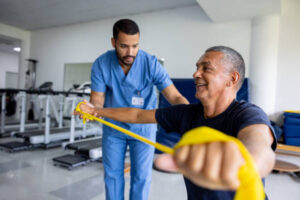
The field of physiotherapy has seen a remarkable transformation in recent years, thanks to rapid technological advancements. For clinics like physio Findon in South Australia, staying ahead means adopting tools and methods that enhance patient outcomes, increase efficiency, and make therapy more engaging. From virtual reality rehabilitation to AI-driven diagnostics, modern physiotherapy is blending science and innovation to better serve the growing demands of musculoskeletal, neurological, and post-operative care.
Smart Wearables and Real-Time Monitoring
Wearable technology is no longer limited to fitness trackers. Today, smart wearables are making waves in physiotherapy by offering real-time feedback and monitoring of patient movements. These devices can track joint angles, muscle activation, and posture, providing clinicians with accurate data to tailor treatments.
At physio Findon, wearable sensors are increasingly being used in post-operative rehabilitation and injury prevention. For instance, patients recovering from knee surgeries can wear motion sensors that record their gait and range of motion. The data is uploaded to a cloud-based system, where physiotherapists analyse trends and adjust treatment protocols without requiring constant in-person visits.
This form of tech-enabled care is particularly useful in suburban settings like Findon, where accessibility and convenience play a key role in ongoing recovery. Real-time monitoring not only enhances accountability but also empowers patients to actively participate in their recovery process.
Virtual Reality in Rehab Therapy
Virtual Reality (VR) is no longer just a tool for gaming — it has found a significant place in physiotherapy practices across Australia. In rehabilitation, VR offers immersive environments that engage patients in controlled, therapeutic movements while also making the experience more enjoyable.
Clinics like physio Findon are exploring VR to support stroke recovery, balance training, and pain management. With VR headsets and motion-tracking equipment, patients can walk through digital obstacle courses, practice reaching tasks, or engage in virtual yoga sessions. These environments stimulate brain and body coordination in ways that traditional methods sometimes fall short of.
VR also offers a distinct psychological advantage. Patients often report higher motivation and lower perceived exertion during VR-based exercises, making it especially beneficial for long-term rehabilitation programs where engagement can wane.
Artificial Intelligence and Predictive Diagnostics
Artificial Intelligence (AI) is transforming diagnostics and predictive analysis in physiotherapy. Machine learning models can now analyse a patient’s historical health records, movement patterns, and even imaging results to predict potential injuries and suggest preventative care strategies.
In a setting like physio Findon, AI-based diagnostic tools are used alongside traditional assessment methods to design individualised recovery plans. These systems learn from each patient’s response to treatment, providing recommendations for modifications in real-time. For athletes or individuals engaging in high-impact physical activity, this predictive model can mean the difference between avoiding injury and sustaining long-term damage.
The integration of AI also ensures that therapists spend less time on administrative analysis and more time on hands-on patient care — a crucial advantage in busy physiotherapy environments.
Robotic-Assisted Therapy Devices
Robotics is another frontier in modern physiotherapy, especially for patients with limited mobility due to neurological conditions, spinal cord injuries, or post-stroke impairments. Robotic devices can assist in guided movement, helping patients retrain muscles and develop motor control without overexertion.
At physio Findon, robotic therapy tools are being evaluated for upper and lower limb rehabilitation. Devices like robotic exoskeletons and arm-assist machines guide the patient’s movement and adjust resistance based on their progress. These technologies offer consistent repetition, which is key in neuroplasticity and functional recovery.
Such innovations not only improve outcomes but also reduce the strain on therapists, allowing for longer and more intensive rehabilitation sessions without additional physical demand on staff.
Telephysiotherapy and Remote Engagement
One of the biggest shifts in modern physiotherapy has been the rise of telehealth and virtual consultations. What began as a necessity during the pandemic has now become a standard offering in many Australian clinics. Telephysiotherapy allows for remote consultations, exercise supervision, and progress monitoring — ideal for residents in Findon who may have mobility limitations or prefer home-based care.
Physio Findon integrates secure video platforms and mobile health apps that allow patients to follow guided exercises, submit progress videos, and receive real-time feedback. The hybrid model ensures continuity of care while reducing missed appointments and travel-related barriers.
Remote physiotherapy services are particularly beneficial in a regional context, offering inclusive and equitable access to expert care regardless of a patient’s location or schedule.
Embracing the Future of Patient-Centred Care
The incorporation of cutting-edge technologies in physiotherapy is reshaping how care is delivered across Australia. From AI diagnostics to immersive VR rehabilitation and wearable monitoring, clinics like physio Findon are leading the way in bringing innovation to everyday treatment plans.
These advancements don’t just represent shiny new tools—they symbolise a deeper shift toward precision, personalisation, and patient empowerment. For the community of Findon, this means access to world-class physiotherapy services, right at their doorstep.