Interior Designer Canberra: How Interior Designers Use Colors to Transform Spaces
When stepping into a room, the immediate impression is often shaped by colour. It’s not just a matter of aesthetics; colour significantly impacts mood, perception, and behaviour. Interior designer studio professionals skillfully leverage the psychology of colour to create environments that are not only visually appealing but also emotionally resonant. This article deep dives into the intricacies of colour psychology and explores how interior designers use colours to transform spaces.
The Science Behind Color Psychology
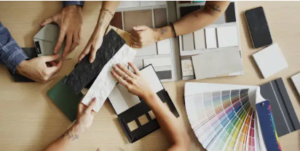 Colour psychology examines how colours influence human behaviour and emotions. This field is based on the premise that colours can provoke specific feelings and responses. For example, warm colours such as red and yellow can generate excitement and energy, whereas cool colours like blue and green generally promote calmness.
A blend of cultural, psychological, and contextual factors shapes the way we perceive colour. For instance, white is typically seen as a symbol of purity and cleanliness in many Western cultures, but it is often linked with mourning in some Eastern cultures.
Emotional Impact of Different Colors
Red: Energy and Passion
Red is a vibrant colour that can trigger intense emotions. Commonly linked to passion, excitement, and energy, red is utilised in interior design to foster a stimulating and lively environment. It is particularly effective in social spaces such as living rooms or dining areas where interaction and conversation are desired. However, an excessive amount of red can be overpowering, so it is frequently employed as an accent colour rather than the primary shade.
Blue: Calmness and Serenity
Blue is renowned for its calming and soothing qualities. In an interior designer studio, it is often used in spaces designed for relaxation, such as bedrooms and bathrooms. Light blue hues can foster a sense of tranquillity and peace, making them perfect for areas focused on rest and rejuvenation. Conversely, darker blues can impart a sense of depth and stability, making them suitable for offices or study areas.
Yellow: Happiness and Warmth
Yellow is associated with happiness, warmth, and positivity. It can brighten up a space and make it feel more inviting. Yellow works well in kitchens and dining areas, where a cheerful and welcoming atmosphere is desired. However, red-yellow should be used in moderation, as too much can lead to feelings of frustration or anxiety.
Green: Balance and Harmony
Green is the colour of nature and symbolises balance and harmony. It has a refreshing and revitalising effect, making it a popular choice for living rooms and other common areas. Green is versatile and can be used in a variety of shades, from soft pastels to rich emeralds, each bringing a different nuance to the space. It’s particularly effective in creating a sense of calm and renewal.
Purple: Luxury and Creativity
Purple is often associated with luxury, creativity, and sophistication. It can extremely add a touch of elegance and drama to a room. Light purples, such as lavender, can create a soothing and romantic environment, making them suitable for bedrooms. Deep purples, like royal purple or plum, can create a sense of luxury and are often used in spaces where a bold statement is desired.
Neutral Colors: Versatility and Simplicity
Neutral colours, like white, grey, and beige, offer versatility and simplicity. They serve as a perfect backdrop, allowing other design elements to stand out. Neutrals can create a sense of space and light, making rooms feel larger and more open. They are often used in minimalist and modern designs where a clean and uncluttered look is desired.
Balancing Light and Space
Colours can be used to manipulate perceptions of space and light. Light colours reflect more light and can make small spaces appear larger and more open. Conversely, dark colours absorb light and can make large spaces feel cozier and more intimate.
Conclusion
The psychology of colour is a remarkably potent tool in the interior designer studio, with the ability to transform spaces and affect emotions. By comprehending the emotional influence of various colours and thoughtfully applying this insight, interior designers can craft environments that are both visually appealing and psychologically beneficial. Whether it’s the soothing effect of blue, the invigorating energy of red, or the harmonious ambience of green, the strategic use of colour can significantly alter the perception and experience of a space.