High Heels: High Heels Is The Epitome of Femininity
High heels are often considered the embodiment of femininity. They create the appearance of longer legs with defined muscles that look toned and make one appear taller.
Higher heels do more than add height; they can cause pain, sprains and other foot-related issues. Here are some reasons consumers must understand the health risks of wearing high heels.
Origins
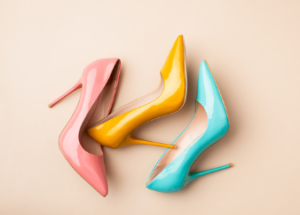 High heels’ exact origin remains obscure; some experts speculate they originated with chopines – platform shoes worn by prostitutes in Venice that reached heights up to 18 inches and gave prostitutes more sensuous gaits when meeting with clients. Later, they became popular among Italian aristocrats and male Ottoman Empire nobles wearing corsets, reinforcing their glamorous and seductive image.
Heels were commonly worn by actors in ancient Greece, known as kothorni, explicitly designed to elongate their legs so they could perform better on stage. For added style and flair, they would often feature ribbons and lace adornments for added effect.
Catherine de Medici brought with her from Italy the first pair of high heels ever seen in Europe during her 16th-century journey from Italy. Wearing them so she could look directly at King Louis IX of France without turning around, Catherine quickly established the style trend that would influence fashion among commoners. Heels rapidly became associated with seductive glamour aristocrats, and royalty continued setting fashion trends that everyone followed.
Heels were integral to female fashion until World Wars I and II caused countries to restrict materials used to create shoes. Following their popularisation via postcards in the late 1800s, women increasingly donned heels for height reasons or to show off their legs.
Styles
High-heeled shoes come in various heights, shapes, and designs – from stiletto and wedge heels to wedge platforms or even strappy sandals – making the shoes suitable for many different outfits and events. Designers specialise in crafting shoes to match specific occasions, and some designs offer more subtle aesthetics than others.
Popular high-heel styles include pumps, slingbacks, and boots. These shoes typically feature a strap cradling the back of your foot that secures with a buckle – ideal for any night out on the town or an important meeting at work.
Heels can also be found in more casual shoe styles such as sneakers and sandals, including sneaker heels – a new trend that features the same design as regular sneakers with an added heel. Heels may also come in wedge or platform styles, providing additional stability than stiletto heels.
High heels are a timeless fashion statement for women. Not only can they enhance a woman’s look and boost her confidence and self-esteem, but their high cost may deter some buyers. Furthermore, some may find walking in them painful or discomforting.
Materials
High heels can be made of many materials, from leather and suede to plastic and cardboard. Their designs may feature flat, blocked or skinny heels with buckles, side zippers or cut-outs; recycling materials is another popular trend; one artist even turned elephant dung into gorgeous eco-friendly heels!
A heel breast or top piece is usually constructed of durable plastic that forms a vertical surface at the heel of a shoe to increase stability when wearing high heels. Placed outside the shoe, these pieces often come fitted with thick padding to reduce rough seams within its structure and provide greater comfort for feet wearing these types of footwear.
The spool heel is an attractive high heel with a wide base that narrows toward its centre to form an hourglass-like silhouette resembling a spool. These shoes offer great support, making them comfortable for extended periods.
Health Concerns
Wearing high heels to complete an outfit or feel more feminine can undoubtedly add flair and femininity, but wearing them regularly could put your health at risk – particularly women who regularly wear heels may experience increased foot and back problems.
High heels can also alter how your toenails develop. When you wear heels, your toenails come into contact with the edges of the shoes, leading to discoloured toenails with thick or thin tips, discolouration, and potential ingrown nails.
High-heeled shoes increase your risk of deep vein thrombosis (DVT). Standing while wearing heels increases this risk even further, which could become especially problematic when combined with prolonged standing times.