Assistive Technology NDIS: Enhancing Independence and Quality of Life
Assistive technology (AT) plays a crucial role in supporting individuals with disabilities by improving their independence, mobility, and overall quality of life. In Australia, the National Disability Insurance Scheme (NDIS) significantly provides funding for assistive technology to eligible participants, ensuring they have access to the tools and equipment needed for daily living.
This article explores the significance of assistive technology NDIS, the types of AT available, eligibility criteria, and how to access funding through the scheme. For quality assistive technology NDIS, check this out.
What Is Assistive Technology?
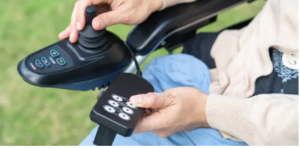 Assistive technology significantly refers to any device, equipment, or system that enhances the overall functional capabilities of individuals with disabilities. It ranges from simple tools like modified cutlery to high-tech solutions such as voice-activated communication devices. The goal of assistive technology is to help individuals efficiently perform tasks that might otherwise be challenging due to their disability.
How the NDIS Supports Assistive Technology
The NDIS provides funding for assistive technology based on a participant’s individual needs and goals. The scheme recognises that the right technology can significantly improve a person’s ability to live independently, participate in the community, and engage in education or employment.
The funding for assistive technology NDIS is categorised under the “Capital Supports” budget within a participant’s NDIS plan. It covers the cost of equipment, modifications, and repairs to ensure the continued use of assistive devices.
Types of Assistive Technology Funded by NDIS
The NDIS funds a wide range of assistive technology solutions to support different aspects of daily life.
These include:
Mobility Aids
- Wheelchairs (manual and powered)
- Walkers and canes
- Prosthetics and orthotics
- Mobility scooters
Communication Devices
- Speech-generating devices
- Augmentative and alternative communication (AAC) systems
- Hearing aids and cochlear implants
Daily Living Aids
- Modified kitchen utensils
- Adaptive clothing and footwear
- Pressure-relieving mattresses and cushions
Home Modifications and Assistive Equipment
- Stairlifts and ramps
- Bathroom modifications (grab rails, accessible showers)
- Smart home automation (voice-controlled lighting, security systems)
Vehicle Modifications
- Wheelchair-accessible vehicles (WAVs)
- Hand-controlled driving systems
Vision and Sensory Aids
- Braille displays and screen readers
- Magnifiers and adaptive lighting
Medical and Health Aids
- CPAP machines and ventilators
- Oxygen therapy equipment
- Hoists and transfer aids
Who Is Eligible for Assistive Technology Under NDIS?
In receiving funding for assistive technology NDIS, an individual must be an approved participant in the scheme. The eligibility criteria include:
- The assistive technology must be necessary and reasonable to support the participant’s disability needs.
- It must be directly related to the goals outlined in the participant’s NDIS plan.
- The technology should help the participant increase independence, safety, and participation in daily activities.
The NDIS does not fund items that are considered everyday expenses, such as regular smartphones or household furniture unless they have specific disability-related modifications.
How to Access Assistive Technology Through NDIS
The process of obtaining assistive technology NDIS funding involves several steps:
Assessment and Recommendation
An allied health professional (including an occupational therapist, physiotherapist, or speech pathologist) assesses the participant’s needs and recommends suitable assistive technology.
Funding Approval
The NDIS reviews the recommendation to determine if the assistive technology is reasonable and necessary. If approved, funding is allocated to the participant’s plan.
Purchasing the Assistive Technology
Participants can purchase assistive technology from registered NDIS providers or, in some cases, from general retailers if they have a budget that is self-managed or plan-managed.
Trial and Training
For complex assistive technology, participants may require a trial period to ensure suitability. Training on how to use the device effectively may also be provided.
Ongoing Maintenance and Repairs
NDIS funding may cover the cost of maintenance and repairs for assistive devices, ensuring they remain functional and safe to use. For quality assistive technology NDIS, check this out.
Conclusion:
Assistive technology NDIS plays a transformative role in the lives of individuals with disabilities in Australia. By providing access to mobility aids, communication devices, home modifications, and more, the NDIS empowers participants to live more independently and engage fully in their communities. Understanding the funding process, eligibility criteria and available options significantly ensures that individuals receive the best possible support tailored to their needs.
If you or a loved one could benefit from assistive technology under the NDIS, consulting with an occupational therapist or an NDIS provider is a significant first step toward improving quality of life.