Dog PT: What Determines the Price of Dog Physical Therapy Sessions?
When our beloved canine companions face physical challenges, canine physical therapy (PT) often becomes an essential part of their recovery. However, many pet owners are concerned about the cost of these sessions. Understanding what drives the dog PT cost per session can significantly help you make informed decisions about your pet’s care. In this article, we deeply explore the key factors that influence the cost of canine rehabilitation sessions.
Location and Facility Type
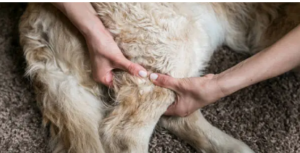 One of the primary determinants of the cost of dog PT per session is the location of the therapy facility. Services in metropolitan areas or high-cost-of-living regions generally come with a higher price tag. That is due to the increased overhead costs associated with operating in these areas, such as higher rent and wages.
Additionally, the type of facility plays a significant role. Specialised rehabilitation centres that offer advanced treatments like underwater treadmills or hydrotherapy typically charge more than general veterinary clinics. These specialised facilities often have higher equipment costs and employ staff with advanced training, which can contribute to the overall expense.
Therapist Qualifications and Expertise
The experience and qualifications of the therapist are crucial factors influencing the cost of dog PT per session. Therapists with advanced certifications, such as Certified Canine Rehabilitation Practitioners (CCRP) or those with extensive experience in the field, usually charge more for their services. Their specialised knowledge and skills can lead to more effective and efficient treatment, justifying the higher cost.
Experienced therapists are often better equipped to handle complex cases and tailor treatment plans to individual needs, which can make the investment worthwhile.
Treatment Type and Complexity
The complexity of the physical therapy required significantly affects the dog PT cost per session. Simple treatments, such as basic stretching or range-of-motion exercises, generally cost less compared to more complex therapies. Advanced treatments, like hydrotherapy or laser therapy, involve specialised equipment and techniques, which can increase the session price.
For instance, underwater treadmill therapy is known for its effectiveness in rehabilitating joint and muscle issues but comes with a higher price due to the cost of the treadmill and the expertise needed to operate it. Conversely, manual therapies or basic exercises are typically less expensive. The complexity of your dog’s condition will often dictate the type of therapy required and thus influence the cost per session.
Session Duration and Frequency
The duration and frequency of dog PT sessions are also important factors that affect the overall cost. Longer sessions or those that require more frequent visits will naturally lead to higher costs. Many dogs need multiple sessions per week over an extended period, which can add up significantly.
Some facilities offer packages or discounts for purchasing multiple sessions in advance. If your dog requires ongoing therapy, exploring these options can help manage the cost. Discussing your dog’s treatment plan with the therapist can provide clarity on the recommended frequency and duration, as well as any available cost-saving options.
Additional Services and Amenities
The cost of dog PT per session may also include additional services and amenities offered by the facility. Some centres provide extra services such as diagnostic assessments, follow-up evaluations, or consultations with other specialists. These additional services can contribute to the overall cost of each session.
Facilities that offer enhanced amenities, such as comfortable waiting areas or personalised care, might also charge higher fees. While these amenities can improve your overall experience and your dog’s comfort, they may add to the cost. It’s essential to consider whether these additional features are necessary for your dog’s treatment and recovery.
Insurance Coverage and Financial Assistance
Pet insurance coverage can play a role in mitigating the cost of dog PT sessions. Some insurance plans cover a portion of the expenses related to physical therapy, depending on the policy and the treatments required. Checking with your insurance provider can help you understand the extent of your coverage and any potential reimbursement.
Conclusion
The dog PT cost per session is influenced by various factors, including location, therapist expertise, treatment complexity, and additional services. Understanding these factors can help you make an informed decision about your pet’s rehabilitation. While the cost may vary, investing in quality care can significantly improve your dog’s recovery and overall quality of life. By considering the factors outlined above, you can better navigate the financial aspects of canine physical therapy and ensure your furry friend receives the best possible treatment.